 World
WorldAdvertisement
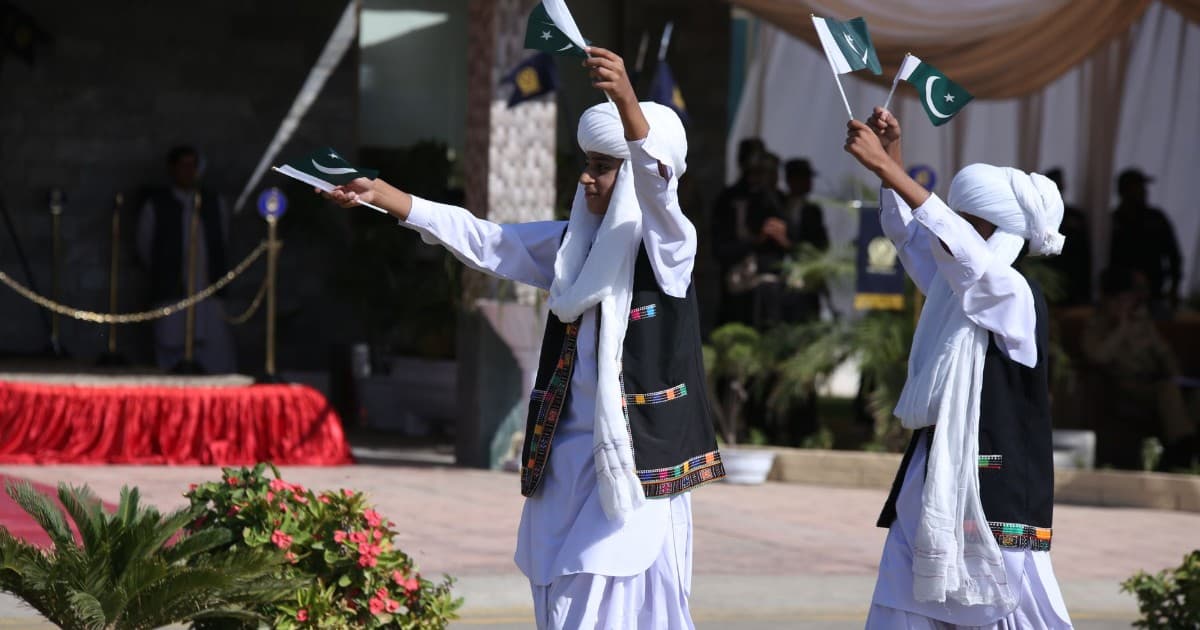
Photo: Mujib Bugti · Pexels
The Unlikely Partnership: How Pakistan Moved Closer to Washington Under Trump
By The Daily Ledger2 min read35 views
Once a fractious relationship defined by mutual suspicion, U.S.-Pakistan ties appear to be warming under the Trump administration in ways few analysts…
How Pakistan Became Trump's Most Surprising Ally
When Donald Trump returned to the White House, few foreign policy watchers placed Pakistan high on the list of likely partners. The history between the two countries offered little reason for optimism: during his first term, Trump had publicly lambasted Islamabad for alleged duplicity in the fight against terrorism, and his administration moved to [VERIFY: confirm amount and year] suspend a substantial portion of U.S. security assistance to the country. Yet in the months since, a cautious but notable rapprochement appears to be taking shape.
The shift is striking precisely because it cuts against the grain of recent history. For years, U.S. officials accused Pakistan of maintaining ties with militant networks even as it accepted American aid and cooperation. Pakistan, for its part, resented what it saw as Washington's tendency to treat it as a hired hand rather than a genuine partner. The relationship endured, but it rarely thrived.
Several forces appear to be pushing the two countries closer together now. Chief among them is economic necessity. Pakistan has been navigating one of the most severe fiscal crises in its history, relying heavily on International Monetary Fund support [VERIFY: current IMF program details and U.S. role in backing it]. American goodwill — whether expressed through multilateral lending institutions or bilateral signals — carries tangible weight in Islamabad's calculations.
Geopolitics is also playing a role. The Trump administration has made no secret of its adversarial stance toward China, and Pakistan sits at the heart of Beijing's Belt and Road ambitions through the multi-billion dollar China-Pakistan Economic Corridor. Whether Washington sees an opportunity to complicate that relationship — and whether Islamabad is willing to entertain such a pivot — is a question analysts are actively debating.
Afghanistan adds another layer of complexity. Since the Taliban consolidated control in Kabul [VERIFY: year], Pakistan has retained a degree of influence over Afghan affairs that no other outside power can easily replicate. For an administration seeking some degree of stability on its own terms in the region, that leverage has real value.
High-level diplomatic contact appears to have increased in recent months [VERIFY: specific meetings, visits, or agreements between U.S. and Pakistani officials]. Pakistani military and civilian leadership [VERIFY: current Prime Minister and army chief] have signaled a willingness to engage Washington on terms that would have seemed unlikely just a few years ago.
Not everyone is convinced the warming will last. Analysts who study the region caution that U.S.-Pakistan relations have a long history of cycling between enthusiasm and disappointment. The relationship remains fundamentally transactional, they argue, and structural tensions — over China, over Afghanistan, over Pakistan's domestic political repression [VERIFY: any recent State Department or human rights body assessments] — have not disappeared.
For now, however, the two governments seem to have found enough common ground to sustain a working relationship — one that, whatever its ultimate durability, few predicted at the start of the Trump term.
Advertisement
Comments (0)
No comments yet. Be the first to share your thoughts.
Leave a comment
Comments are reviewed before they appear.