 World
WorldAdvertisement
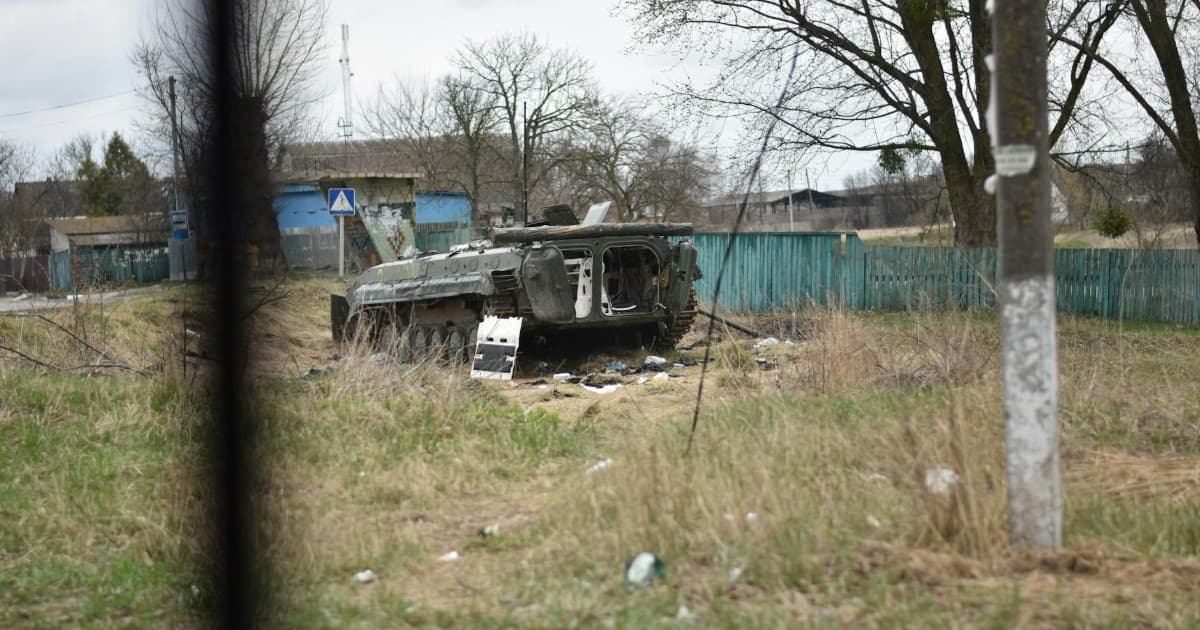
Photo: Serhii Bondarchuk · Pexels
World
Zelenskyy Says Russia Can No Longer Outpace Ukraine's Territorial Gains
By The Daily Ledger3 min read46 views
In a May 31 interview, Ukraine's president said Russia can no longer seize land faster than Ukrainian forces reclaim it — a claim independent analysts say is broadly supported, with some caveats.
Ukrainian President Volodymyr Zelenskyy said that Russia has lost the ability to capture Ukrainian territory faster than Ukrainian forces can take it back, marking what he described as a turning point in the more than four-year war.
Speaking in an interview with CBS's "Face the Nation" on May 31, 2026, Zelenskyy argued that mounting Russian battlefield losses have shifted the war's momentum. He repeated the message on his official social media accounts the same day.
"Beginning in December 2025, Russia started to lose the initiative on the battlefield," Zelenskyy said. "In January 2026, I told our American partners: 'I think there is a window for negotiations, because each month Russia will be losing more and more troops.' Now they can't occupy more territory in a month than we liberate."
Zelenskyy framed the shift as a reason to pursue diplomacy, saying Ukraine should "find a diplomatic way — to sit down and talk — before next winter." He stressed, however, that this depends on continued pressure on Moscow from both inside Russia and from Ukraine's Western partners.
What Independent Analysts Say
Zelenskyy's characterization aligns broadly with assessments from independent conflict monitors. The Institute for the Study of War (ISW), a U.S.-based think tank, reported in early May that Russian forces suffered a net loss of controlled territory in Ukraine during April 2026 — the first such monthly loss since Ukraine's incursion into Russia's Kursk region in August 2024.
ISW also noted that Russia's pace of advance has slowed sharply. The average daily Russian territorial gain over the first four months of 2026 fell to roughly 2.9 square kilometers, down from nearly 10 square kilometers per day during the same period a year earlier. Analysts have credited a combination of factors, including Ukrainian counterattacks, long-range strikes on Russian logistics, and Ukraine's growing advantage in drone warfare.
A Claim With Caveats
While the broader trend is supported by outside analysis, some of Zelenskyy's specific figures have not been independently verified. He has claimed that Ukraine retook nearly 600 square kilometers of territory in 2026, a number that news agencies including Reuters have said they could not confirm. Ukrainian and independent estimates of territorial change have at times differed, reflecting the difficulty of tracking a long and shifting front line.
Skeptics also caution that battlefield assessments can change within days, and that public statements by wartime leaders serve political and morale purposes as well as informational ones.
Why It Matters
Zelenskyy's message carries weight beyond the battlefield. Debates over continued military and financial support for Ukraine have intensified in several Western capitals, and the perception of a stabilizing or improving situation can influence those political discussions. By pairing the claim with a call for negotiations "before next winter," Zelenskyy appeared to be making the case that Ukraine can negotiate from a position of relative strength — provided Western backing holds.
Whether the trend he described continues will become clearer in the coming months as fighting goes on and independent monitors publish updated assessments.
Advertisement
Comments (0)
No comments yet. Be the first to share your thoughts.
Leave a comment
Comments are reviewed before they appear.